
Understanding Economic Sanctions and Export Control: Navigating Global Trade Challenges
In today’s interconnected global economy, the imposition of economic sanctions and export control lawyers has emerged as a critical instrument for governments aiming to influence the behavior of states and entities. This article delves into the nuances of these regulations, examining their objectives, mechanisms, and the challenges they pose for international trade.
What Are Economic Sanctions?
Economic sanctions are restrictive measures imposed by countries or international organizations to achieve foreign policy objectives without resorting to military action. They are commonly used to coerce nations into complying with international laws or to punish them for perceived violations. Sanctions can take various forms, including trade embargoes, asset freezes, and limitations on financial transactions.
Types of Economic Sanctions
Sanctions can be categorized into several types:
- Comprehensive Sanctions: These are blanket bans on trade with a particular country, restricting all economic activity.
- Targeted Sanctions: Also known as “smart sanctions,” these are designed to hit specific individuals, organizations, or sectors rather than an entire country.
- Sectoral Sanctions: These impose restrictions on specific sectors of a country’s economy, such as energy or defense.
- Secondary Sanctions: These target third-party countries or entities that conduct business with the sanctioned country, effectively expanding the reach of the sanctions.
The Purpose Behind Economic Sanctions
The primary goals of economic sanctions typically include:
- Promoting compliance with international law
- Deterring hostile actions by state and non-state actors
- Encouraging democratic governance and human rights
- Restricting the proliferation of weapons of mass destruction
These objectives illustrate that sanctions are not merely punitive tools but are often intended as means to achieve broader geopolitical aims.
Export Control: An Overview
Export control laws regulate the shipment of goods, technology, and services to foreign countries. These laws aim to maintain national security, protect foreign policy interests, and fulfill international obligations. Unlike economic sanctions, which are broader in scope, export controls specifically focus on sensitive technologies and materials that could be used for military purposes or contribute to unethical practices.
Key Components of Export Control
Export control regimes may vary between countries, but they generally include:
- Specific Export Licenses: Many sensitive items require permission from the government prior to export.
- Denied Party Lists: These lists identify individuals and organizations that are prohibited from receiving exports due to ties to terrorism, human rights abuses, or proliferation activities.
- End-Use and End-User Checks: Ensuring that exports will not be diverted or used for prohibited purposes.
Export control laws are essential for preventing misuse of technology and ensuring that exports align with national and international security priorities.
Global Impacts of Sanctions and Export Controls
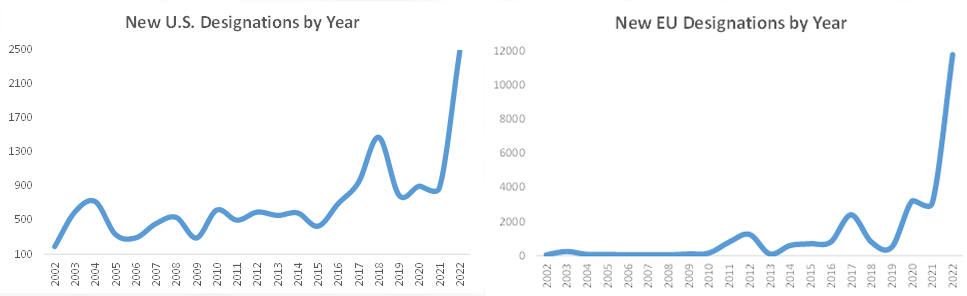
The global economy is profoundly affected by the ebb and flow of sanctions and export controls. Countries under sanctions often face severe economic repercussions, which can include decreased foreign investment, reduced access to international markets, and strained relationships with trade partners. Additionally, businesses seeking to comply with these regulations face complex legal and logistical challenges.
For example, companies that export goods to sanctioned countries must carefully navigate the legal landscape to avoid punitive measures, including hefty fines and reputational damage. This has led many organizations to invest in compliance programs and legal expertise to mitigate risks associated with violations of sanctions and export control laws.
Legal Expertise in Navigating Sanctions and Export Controls
Given the complexities surrounding economic sanctions and export controls, the role of legal professionals cannot be overstated. Lawyers specializing in these areas help businesses understand the evolving regulatory environment and develop strategies for compliance. Their expertise is invaluable in:
- Conducting risk assessments to identify potential exposure to sanctions and export controls.
- Advising on the legality of transactions and trade relationships.
- Representing clients in regulatory inquiries and enforcement actions.
- Developing internal compliance programs to promote adherence to applicable laws.
In an era marked by geopolitical tensions and technological advancements, the demand for economic sanctions and export control lawyers is expected to grow, as businesses must continually adapt to shifting global dynamics.
Future Outlook
As international relations evolve, the landscape of economic sanctions and export controls will likely continue to change. Governments may employ sanctions more frequently as a tool for foreign policy, leading
to an increasing need for businesses to remain vigilant and informed. Furthermore, the rise of digital technologies presents both opportunities and challenges in governance, as cyber paradoxes complicate traditional export control frameworks.
Ultimately, understanding and navigating the complex web of economic sanctions and export controls is crucial for businesses engaged in global trade. Companies that prioritize compliance and engage with knowledgeable legal experts will be better positioned to thrive in an increasingly regulated environment.
