
Understanding Interpol Yellow Notices: A Guide for Law Enforcement and Citizens
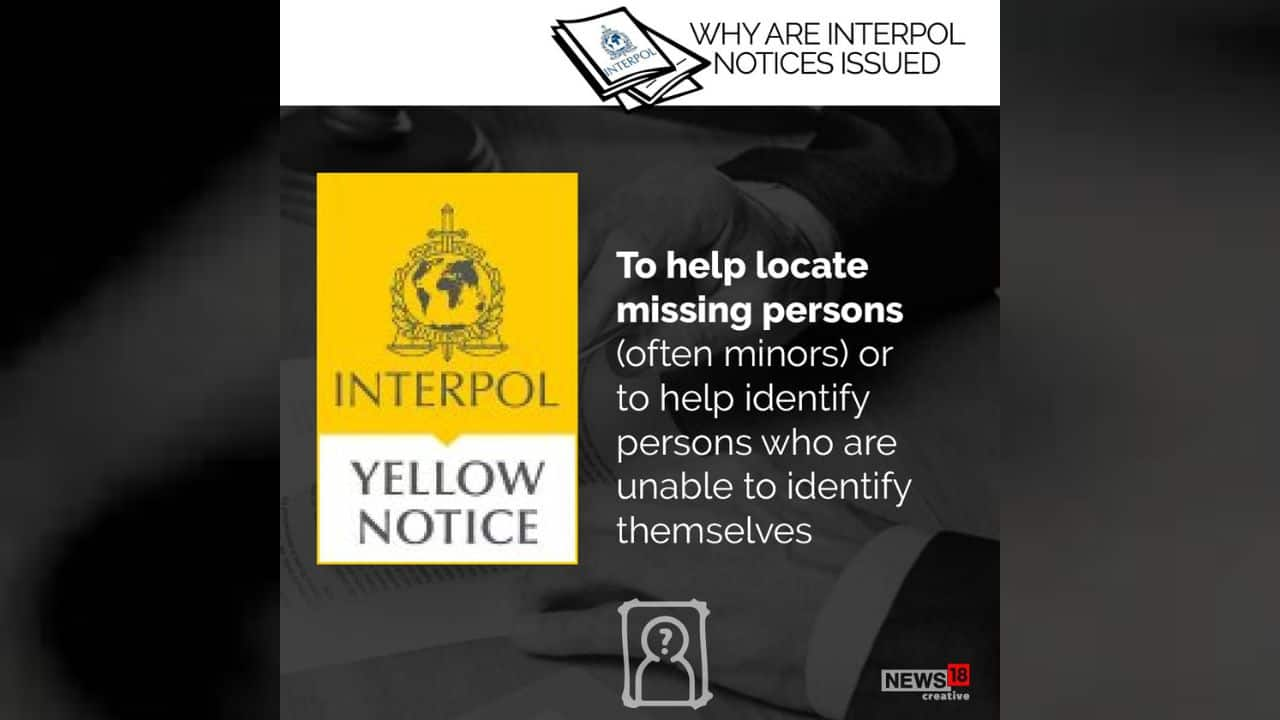
Interpol Yellow Notices are essential tools in the international law enforcement community, serving as a vital resource for agencies to locate missing persons and identify those who are unable to identify themselves. For a comprehensive overview, you can visit Interpol Yellow Notice.
Interpol, the International Criminal Police Organization, plays a pivotal role in facilitating cooperation among law enforcement authorities across the globe. Established in 1923, Interpol has evolved to adapt to modern challenges in crime, including human trafficking, terrorism, and cybercrime. One of the significant tools in Interpol’s arsenal is the Yellow Notice, a type of alert issued at the request of member countries to assist in various forms of casework, particularly those involving missing persons or minors.
What is an Interpol Yellow Notice?
A Yellow Notice is specifically designed to help locate missing persons, often minors, or to identify individuals who are unable to identify themselves due to various circumstances, such as mental incapacity or unconsciousness. The notice contains pertinent details about the individual, such as their physical description, photographs, and any other information that may assist law enforcement officials in locating or identifying them.
The Purpose of Yellow Notices
The primary purpose of a Yellow Notice is to enhance international collaboration in the search for missing individuals and to ensure that individuals who are unable to identify themselves receive the appropriate assistance. These notices can play a critical role in cases of abduction or where there is a concern for the safety of a person, especially in the context of human trafficking or exploitation.
By issuing a Yellow Notice, national law enforcement agencies can disseminate information rapidly across borders. This facilitates not only communication but also collaboration among different countries’ police forces, significantly increasing the chances of recovering missing persons or identifying individuals who cannot communicate their identity.
How Yellow Notices Work
When a member country of Interpol identifies a case that fits the criteria for a Yellow Notice, they submit a request through Interpol’s secure global police communications network, called I-24/7. The request includes information regarding the circumstances of the disappearance or the identity of the unidentified individual, as well as any available supporting documentation. Once approved, the notice is circulated worldwide to Interpol’s member countries, which currently stands at 195.
The Role of Technology
In the contemporary era, technology enhances the efficiency of Yellow Notices. Interpol utilizes advanced databases and online platforms to ensure that information regarding missing persons is accessible to law enforcement agencies worldwide. In addition, social media has become a powerful tool in disseminating Yellow Notices to the public, increasing awareness and potential tips that may lead to positive outcomes in missing person cases.
Examples of Yellow Notices
There have been numerous cases where Yellow Notices have successfully aided law enforcement agencies in locating missing persons. For example, in cases of child abduction, Yellow Notices have helped police officers in several countries coordinate their efforts, resulting in the timely recovery of abducted children.
Additionally, Yellow Notices can assist in the identification of individuals who have been found without identification, such as those experiencing homelessness or mental health crises. In these situations, the notice can lead to quick identification and connection with family members or social services that can provide necessary support.
Limitations and Criticisms
While Yellow Notices serve a crucial purpose, there are limitations to their effectiveness. First, the success of a Yellow Notice largely depends on the timely submission of accurate information by the country that requests it. Any delays or discrepancies can hinder the search process significantly. Furthermore, not every missing person case leads to a Yellow Notice; certain criteria must be met, which can limit the utility of this tool for some cases.
Critics of the system also point out that, while Yellow Notices are intended to safeguard vulnerable individuals, they do not guarantee immediate action from law enforcement agencies across borders. Instead, the reliance on cooperation is paramount, and gaps may exist in the responsiveness of different countries’ police forces.
How to Report a Missing Person
Individuals who suspect that a person has gone missing should report their concerns to local law enforcement as soon as possible. Specifically, it is crucial to provide as much information as possible, including identification details, photographs, and context regarding the circumstances of the person’s disappearance.
In many countries, there are established protocols for reporting missing persons, and law enforcement agencies often have dedicated units to handle these sensitive cases. Additionally, community awareness and engagement can enhance efforts to locate missing individuals, as public tips have proven valuable in numerous cases.
Conclusion
Interpol Yellow Notices represent a vital mechanism in the global effort to locate missing persons and assist those unable to identify themselves. By facilitating international cooperation and utilizing technology to disseminate crucial information, Yellow Notices enhance the ability of law enforcement agencies to respond swiftly and effectively. While they have their limitations, when used correctly, they can lead to successful recoveries and reunifications, reaffirming the commitment of the global community to protecting its most vulnerable members.
